|
Oil paintings celebrating
the 1st day of SPRING
21st
- 30th march 2025
ENG
At TREVISAN ART GALLERY
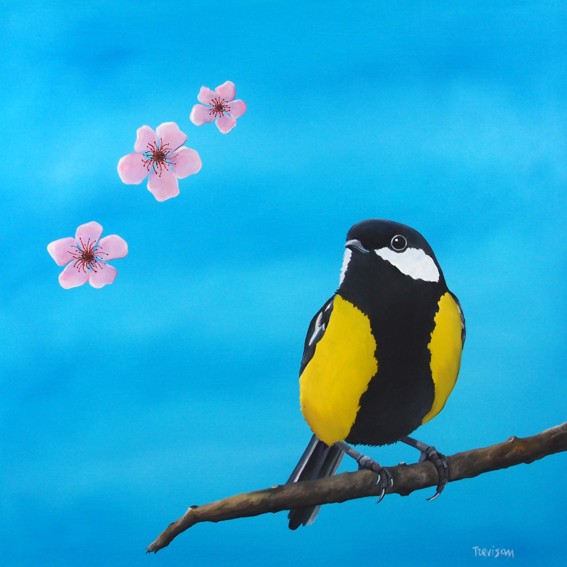
of the international artist Carlo Trevisan, "SPRING OF BIRDS"
opens on Friday 21 March, the third exhibition in a series of themed
exhibitions that will develop in a calendar planned for the whole year
2025. On the occasion of the beginning of spring, the SPRING OF BIRDS
exhibition will have as its subject the world of birds captured in its
thousand colors and shades.
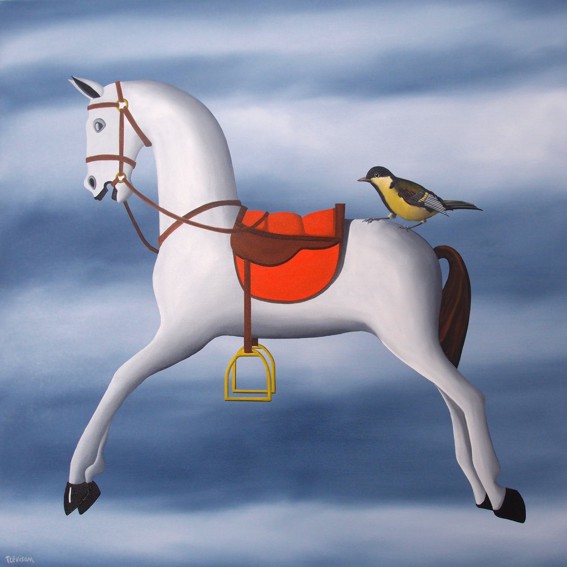
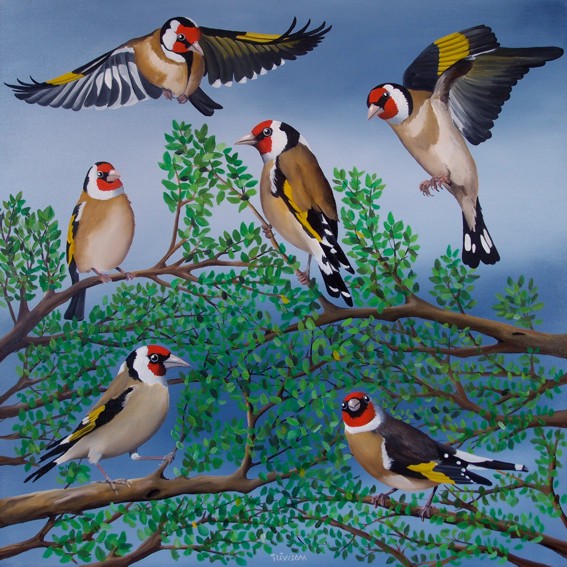
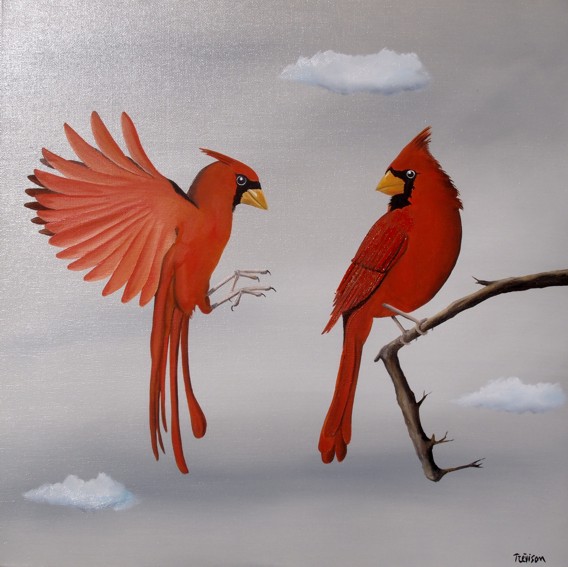
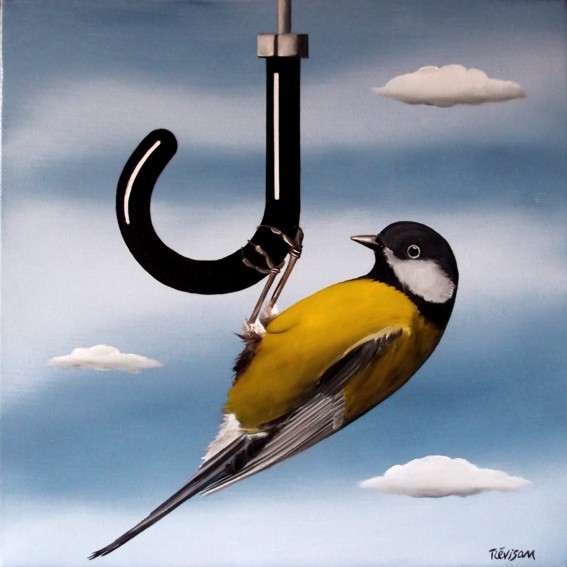
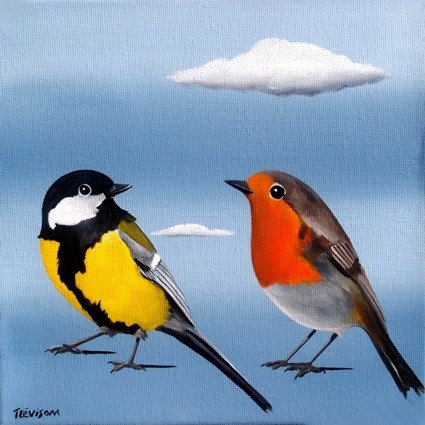
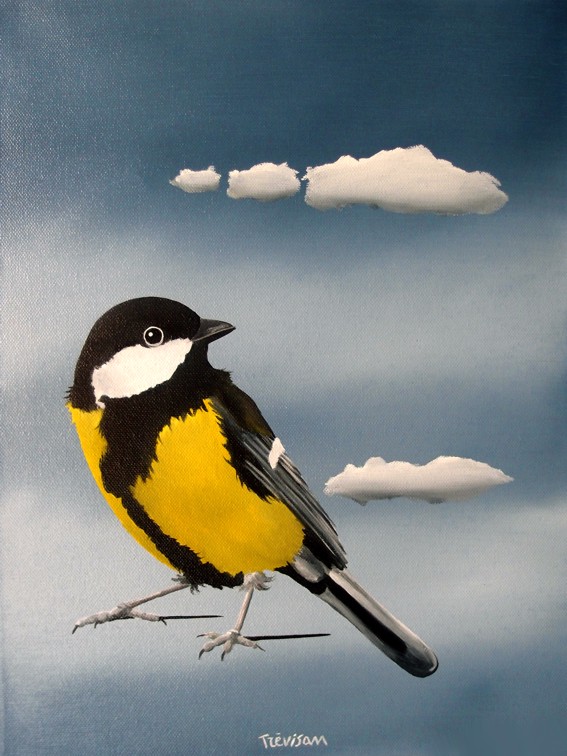
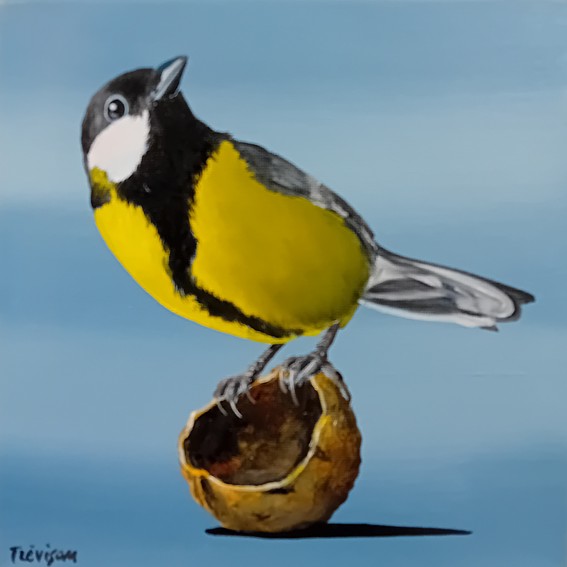
An exhibition of about 40 oil paintings on canvas, in a chromatism of
color and volatile emotions in which the artist tries to place
snapshots of their shapes and silhouettes, capturing their simplicity
and enchantment.
The theme of birds has always been present in Trevisan's long artistic
production, a subject without borders that the artist has managed to
spread with his imagination and his surreal style in countries all
over the world. Birds are enchanting, free creatures, and every
culture and people has seen important symbolic meanings in them. In
ancient times, birds were a symbol of luck, messages from the gods
that reached men on earth announcing future events and happenings.
For some ancient civilizations, they personified the deities, such as
in the Egyptian one, where Horus, depicted as a falcon's head, was one
of the most important deities.
And in Greek mythology, there were many goddesses who transformed
themselves into birds to reach men on earth and dominate them.
The omens drawn from the flight of birds have often influenced and
altered the destiny of numerous peoples, from the outcome of battles
to the fate of cities, from the birth or death of kings, princes and
fighters.
In the Middle Ages, birds
represented souls traveling free in the sky.
Dante compared the souls of the lustful in hell to birds because they
were continually tossed at the mercy of the wind.
But he also saw Paolo and Francesca as two white doves in their
romantic nest and with their wings raised in the air.
The world of birds has always been a study for scientists and artists
of every age and country.
Their ability to fly and free themselves in the sky has always
fascinated man.
Leonardo da Vinci carried out numerous studies on their anatomy to
reveal the secrets of flight. The famous manuscript of the Codex on
the Flight of Birds presents texts and drawings in which Leonardo
begins to analyze the flight and structure of birds and then moves on
with his genius to the design of flying machines.
In art, birds have been represented in numerous artistic works,
starting with the cave paintings of Lascaux in France over 17,000
years ago.
The famous bird-man (a human figure with a bird's head) depicted on
the rock of the cave next to a shamanic staff, a scepter surmounted by
a bird, shows us how man has always projected and identified himself
in these beings endowed with the freedom to fly and free themselves in
the sky, almost becoming a divinity himself.
In Pompeii, in the fresco of the House of the Golden Bracelet (30 AD),
numerous birds are depicted in a lush flower garden: such is the
beauty and mastery of these depictions that various types of birds can
be recognized, circling or perched on the branches of trees, such as
the magpie, the swallow, the dove, the wood pigeon, the sparrow. So
even during the Renaissance, birds were often depicted in prints,
drawings, watercolors.
The Arcadian and rustic frescoes in the palaces of nobles and princes
continue their success and the trompe d'oil depicts flower gardens
with fauna and birds.
Trevisan faces, like the
artists of the past, the mysterious and fascinating world of birds,
trying to convey the emotion of their colors, of their glances caught
in the lightheartedness and lightness of life.
Observing his surreal works, their simplicity and their "carelessness"
of the future emerges.
The artist in fact seems to refer to the words of Matthew who in the
Gospel (chapter 6,25-26) puts in the words of Jesus "... look at the
birds of the air: they do not sow, nor do they reap, nor gather into
barns; and yet your heavenly Father feeds them. Are you not more
important than they?" A simple little bird already has everything from
life and in its song we recognize the joy of living day after day.
Watching their free flight gives us emotions and our thoughts seem to
fly with their wings, carrying us high leaving human worries and
concerns on this earthly world.
ITA
Presso TREVISAN ART
GALLERY dell'artista internazionale Carlo Trevisan, si inaugura
venerdì 21 marzo "
SPRING OF BIRDS
" la terza mostra di una serie di
esposizioni a tema che si svilupperà in un calendario pianificato per
tutto l'anno 2025.
In occasione
dell'inizio della primavera, la mostra SPRING OF BIRDS avrà per
soggetto il mondo degli uccelli colto nelle sue mille colorazioni e
sfumature. Un'esposizione circa 40 dipinti ad olio su tela, in un
cromatismo di colore ed emozioni volatili in cui l'artista
cerca di porre istantanee delle loro forme e siluette, cogliendone
semplicità e incanto.
Il tema degli
uccelli è sempre stato presente nella lunga produzione artistica di
Trevisan, un soggetto senza frontiere che l'artista è riuscito a
diffondere con la sua fantasia e il suo stile surreale nei paesi di
tutto il mondo. Gli uccelli sono creature incantevoli, libere, e ogni
cultura e popolo ha visto in loro importanti significati simbolici.
Nell'antichità gli uccelli erano simbolo di fortuna, messaggi degli
dei che arrivavano agli uomini sulla terra annunciando loro futuri
accadimenti ed eventi.
Per alcune antiche civiltà essi
personificavano le divinità come in quella egiziana, dove
Horus raffigurato come una testa di
falcone era una delle divinità più importanti. E nella mitologia greca
numerose erano le dee che si trasformavano in uccelli per arrivare
agli uomini sulla terra e dominarli.
Gli auspici tratti dal volo degli uccelli hanno influenzato e alterato
spesso il destino di numerosi popoli,
dall'esito di battaglie alla sorte di
città, dalla nascite o morte di re, principi e combattenti.
Nel medioevo
gli uccelli rappresentavano le anime che viaggiano libere nel cielo.
Dante paragonava le anime dei lussuriosi nell'inferno a degli uccelli
perché continuamente sballottate in balia del vento. Ma egli vedeva
anche Paolo e Francesca come due colombe bianche nel loro romantico
nido e con le ali sollevate nell’aria.
Il mondo degli uccelli
è stato da sempre studio per scienziati ed artisti di ogni epoca e
paese. La loro capacità di volare e liberarsi nel cielo ha sempre
affascinato l'uomo. Leonardo da Vinci compì numerosi studi sulla loro
anatomia per svelarne i segreti del volo Il famoso manoscritto
del Codice
sul volo degli uccelli presenta testi e disegni nei quali Leonardo
inizia ad analizzare il volo e la struttura degli uccelli per poi
passare con il suo genio al disegno di macchine volanti.
Nell'arte gli
uccelli sono stati rappresentati in numerosissime opere artistiche, a
partire dalle pitture rupestri di Lascaux in Francia di oltre
17000 anni fa. Il famoso uomo-uccello (una figura umana con testa di
uccello) raffigurato sulla roccia della caverna accanto ad un bastone
sciamanico, uno scettro sormontato da un uccello, ci testimonia come
l'uomo si sia sempre proiettato e identificato in questi esseri dotati
della libertà di volare e liberarsi nel cielo, quasi a divenire egli
stesso una divinità.
A Pompei
nell’affresco della Casa del Bracciale d’Oro (30 d.C.) numerosi
uccelli sono rappresentati in un lussureggiante giardino fiorito: tale
è la bellezza e maestria di queste raffigurazioni che si possono
riconoscere varie tipologie di uccelli, volteggianti o posati sui rami
degli alberi, come la gazza ladra, la rondine, il colombo, il
colombaccio, il passero.
Così anche
durante il Rinascimento, gli uccelli erano spesso rappresentati spesso
in stampe, disegni, acquerelli. Gli affreschi arcadici e agresti nei
palazzi di nobili e principi continuano il loro successo e nei trompe
d'oil si raffigurano giardini fioriti con fauna e volatili.
Trevisan affronta, come
gli artisti del passato, il misterioso e affascinante mondo degli
uccelli, cercando di trasmettere l'emozione dei loro colori, dei loro
sguardi colti nella spensieratezza e leggerezza della vita. Osservando
le sue opere surreali emerge la loro semplicità e la loro "non
curanza" del futuro.
L'artista infatti sembra
rifarsi alle parole di Matteo che nel Vangelo (capitolo 6,25-26) mette
nelle parole di Gesù
"...
guardate gli uccelli del cielo: non
seminano, né mietono, né ammassano nei granai; eppure il Padre vostro
celeste li nutre. Non contate voi forse più di loro? " Un semplice
piccolo uccello ha già tutto dalla vita e nel suo canto si riconosce
la gioia del vivere giorno dopo giorno. Guardare il loro volo libero
ci regala emozioni e i nostri pensieri sembrano volare con le loro
ali, portandoci in alto lasciando affanni e preoccupazioni umane su
questo mondo terreno.
TREVISAN ART GALLERY
Open
9
-
12
pm and
15
-
19
pm
Open Saturday and Sunday
Available by appointment
Via Alberto Mario 4/a - 37121 VERONA
(ITALY)
information / informazioni
[email protected]
|