|
PALAZZO PRETORIO
SANSEPOLCRO (AREZZO)
23 - 31
august 2025
ENG
Carlo Trevisan,
a painter and poet who grew up and studied in Sansepolcro, stands out
in the contemporary art scene for his personal and compelling
interpretation of Surrealism. His profound and multilayered art is
also nourished by an unbreakable bond with the traditions of the
Italian Renaissance, particularly the legacy of Piero della Francesca,
a master who profoundly influenced his homeland and his artistic
development. Trevisan, with a consolidated international exhibition
career that has taken him to galleries worldwide, from Europe to the
United States, from Asia to South America, today presents an
exhibition that is a true manifesto of his "Surreal Renaissance."
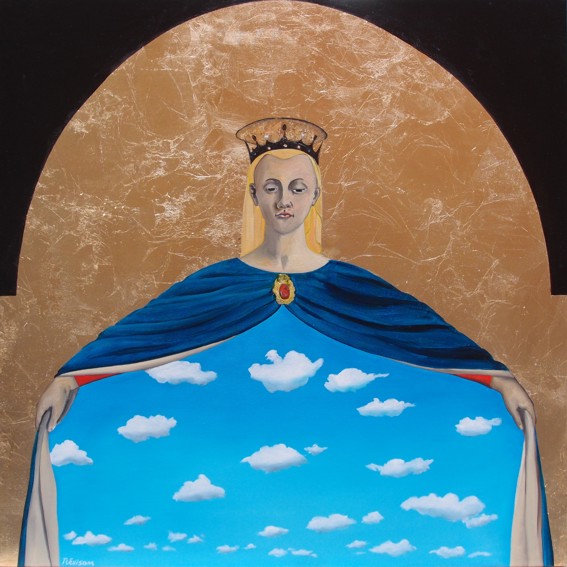
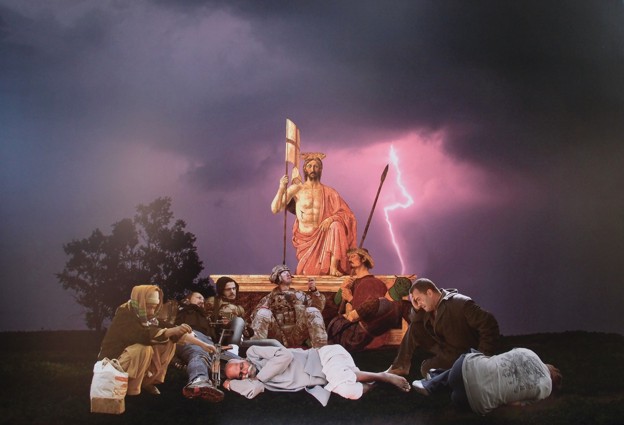
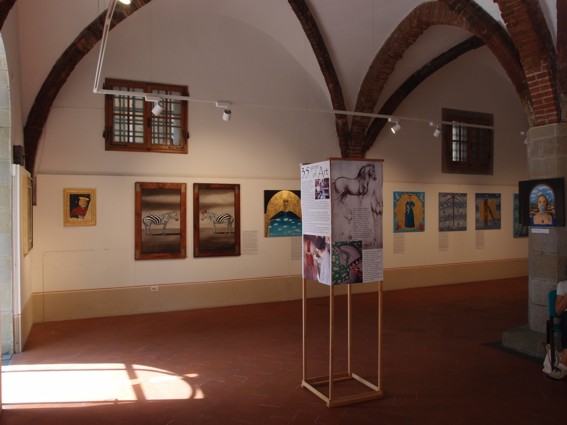
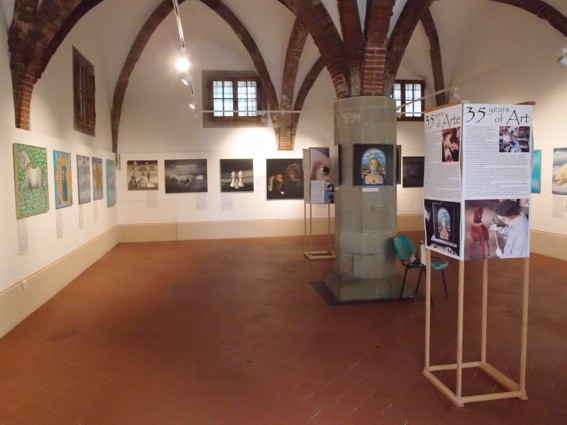
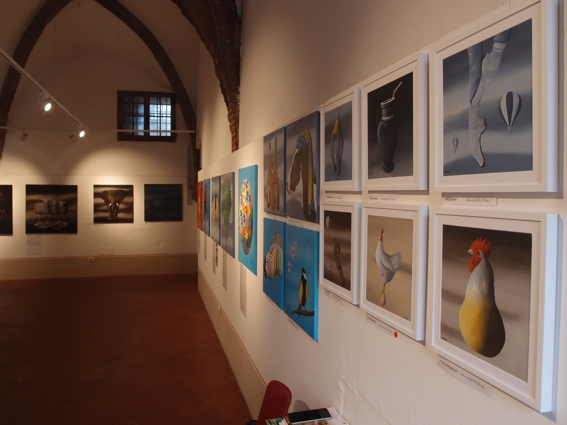
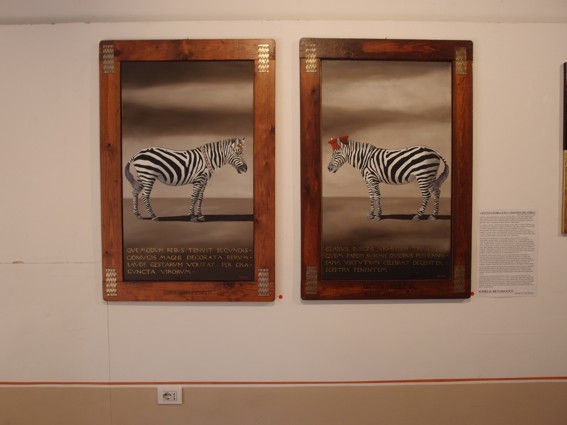
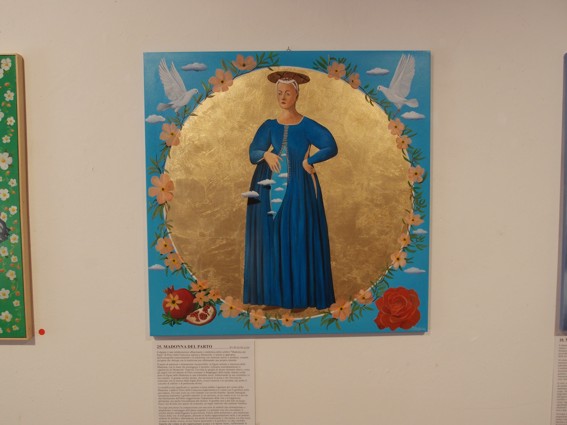
The paintings on
display in this exhibition are not simple evocations, but rather
profound reworkings of the artist’s youthful memory and imagination.
Trevisan’s surrealism manifests itself not in a violent rupture with
reality, but rather in a meticulous dreamlike reconstruction, where
recognizable elements, almost archetypal objects and subjects, and
architecture reminiscent of Renaissance harmony, merge into enigmatic
and evocative scenarios. It is a surrealism rooted in figurative
tradition, yet transcends it through unexpected juxtapositions and the
symbolic use of light and color, creating suspended and timeless
atmospheres.
His work is a
constant dialogue between past and present, between memory and
invention. The medieval and Renaissance traditions of his childhood,
permeated by the influence of Piero della Francesca, emerge in his
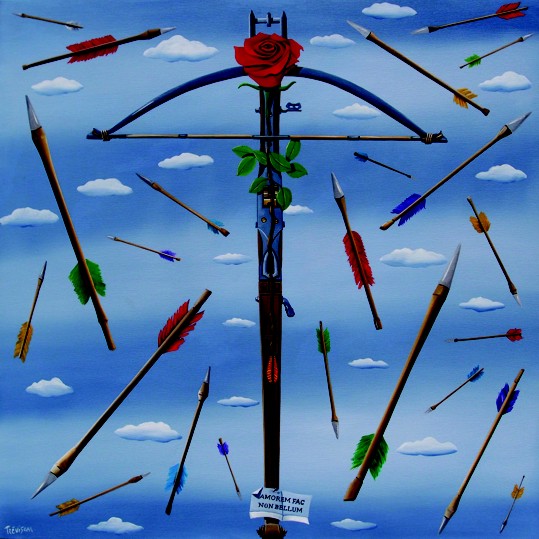
paintings not as ordinary references,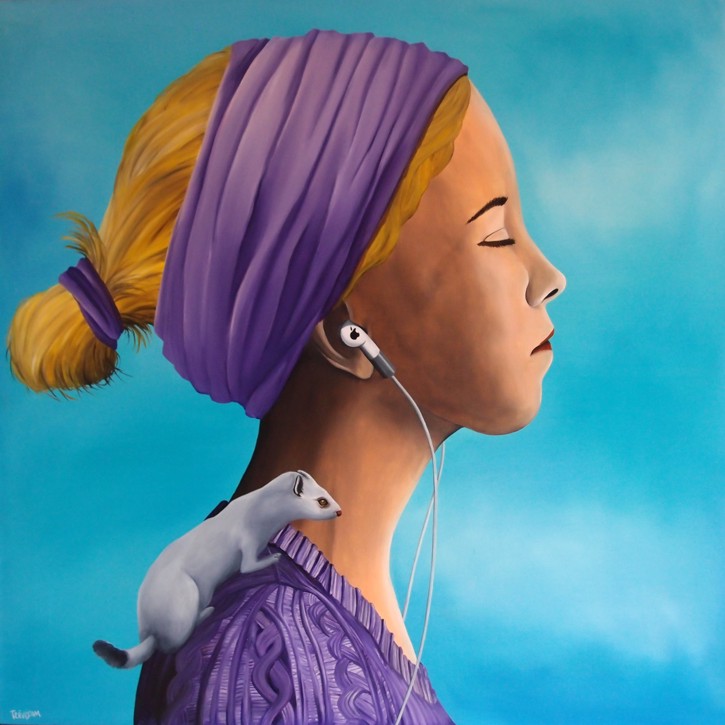 but as profound suggestions that
inform his compositional sensibility and his pursuit of beauty.
Geometric perspective and crystalline luminosity, hallmarks of the
Renaissance, are reinterpreted by Trevisan to construct spaces that,
while seemingly familiar, open to unexpected dimensions, populated by
silent forms that seem to hold ancient secrets. but as profound suggestions that
inform his compositional sensibility and his pursuit of beauty.
Geometric perspective and crystalline luminosity, hallmarks of the
Renaissance, are reinterpreted by Trevisan to construct spaces that,
while seemingly familiar, open to unexpected dimensions, populated by
silent forms that seem to hold ancient secrets.
Trevisan’s "Surreal
Renaissance" is thus a visual and intellectual experience that invites
the viewer on an introspective journey. It is an art that does not
simply represent the visible, but rather probes the depths of the
unconscious, drawing on a collective imagination rooted in Italian
culture to give shape to universal visions. His painting is a
testament to how memory and tradition can be inexhaustible sources for
profoundly original artistic expression.
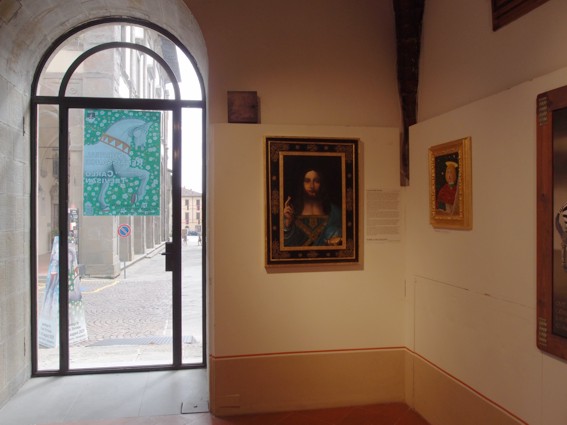
Some of the
paintings on display are imbued with references to the medieval and
Renaissance traditions that shaped his childhood and his worldview.
These memories, filtered through the prism of surrealism, manifest
themselves in unexpected juxtapositions, enigmatic figures, and
landscapes that, while recognizable, seem suspended in a timeless
dimension. It is as if the characters and settings of Piero della
Francesca or a medieval fresco had fallen asleep only to awaken in a
lucid dream, where usual logic is subverted and mental associations
are freed from all rational constraints.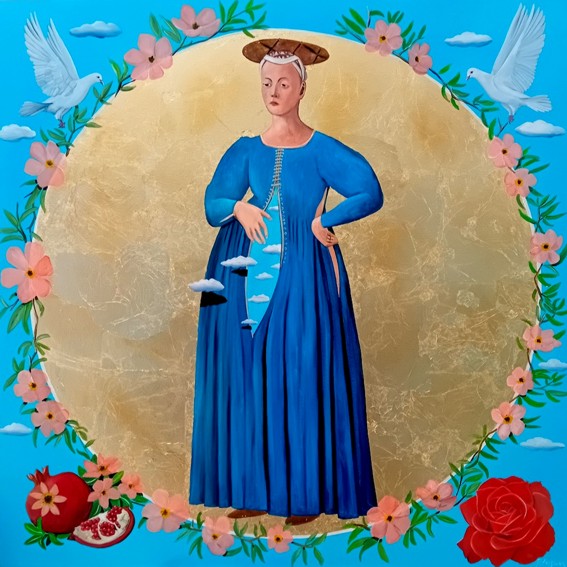
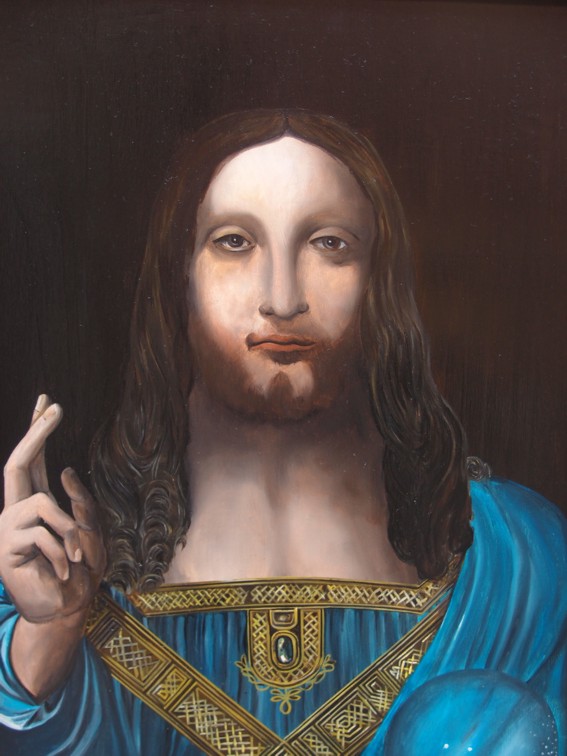
Piero della
Francesca’s influence is clear not only in the almost mathematical
precision of his perspective and the purity of his forms, but also in
the light that pervades his works. A light that is not simply
illumination, but that shapes objects, defines them, and imbues them
with a silent monumentality, even when they are simple objects or
animals. This light contributes to lending a sense of secular
sacredness to his surrealist visions, elevating them beyond the merely
fantastic to strike a universal chord.
For Trevisan,
Renaissance traditions are not merely a stylistic reference, but a
conceptual foundation. He seems to revisit the lessons of the ancient
masters, their ability to synthesise observation of reality and ideal
construction, and apply them to a figurative universe inspired by
dreams, myth, and collective memory. This creates a fascinating
dialogue between the solidity of representation and the fluidity of
content, between the visible and the invisible.
The fact that an
artist with such roots expresses his surrealism on a global scale
underscores the universality of the themes he addresses: identity,
time, the relationship between man and nature, nature and animals, the
search for meaning. His works, exhibited in galleries around the
 world
and purchased by collectors from every country, transcend cultural
barriers precisely because, while intrinsically "Italian" in their
refinement and heritage, they speak an emotional and symbolic language
that is understandable everywhere. world
and purchased by collectors from every country, transcend cultural
barriers precisely because, while intrinsically "Italian" in their
refinement and heritage, they speak an emotional and symbolic language
that is understandable everywhere.
Trevisan’s
surrealism is not a chaotic escape into the irrational as an end in
itself, but rather a conscious navigation of the unconscious, always
guided by subtle formal discipline and evident compositional harmony.
This distinguishes him from many declinations of the movement, often
characterized by ruptures, dissonances, and negativity. In his
canvases, seemingly unrelated elements connect in visual narratives
that defy everyday logic, yet simultaneously evoke a sense of profound,
almost archetypal familiarity. One senses a desire to explore the
mysteries of existence and the psyche, without ever abandoning an
aesthetic that seeks balance and beauty.
Trevisan’s
unique trajectory, from engineering studies to art in the absolute
sense, is emblematic of his ability to integrate seemingly distant
worlds. The precision and rigor learned in his technical studies merge
with a keen sensitivity to the unspoken, to the suggestions and
visions that surface fr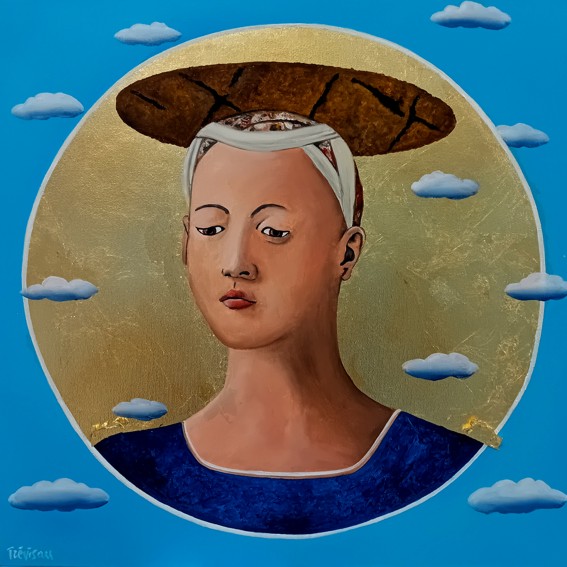 om the depths of the unconscious. This fusion
creates an art that is not only beautiful to behold, but also invites
reflection, the deciphering of symbols, and the exploration of the
recesses of the mind. om the depths of the unconscious. This fusion
creates an art that is not only beautiful to behold, but also invites
reflection, the deciphering of symbols, and the exploration of the
recesses of the mind.
Ultimately,
Trevisan’s surrealist art is a vibrant testament to how tradition can
not only coexist with innovation, but also serve as fertile ground for
new and unexpected flourishes. His "Surreal Renaissance" is an
invitation to look beyond the visible, to recognize beauty in mystery,
and to celebrate the richness of an imagination that draws both on the
deep roots of history and the infinite possibilities of dreams.
Sansepolcro,
august 2025
ITA
Carlo Trevisan,
pittore e poeta cresciuto e formatosi a Sansepolcro, si distingue nel
panorama artistico contemporaneo per la sua personale e avvincente
interpretazione del surrealismo. La sua arte,
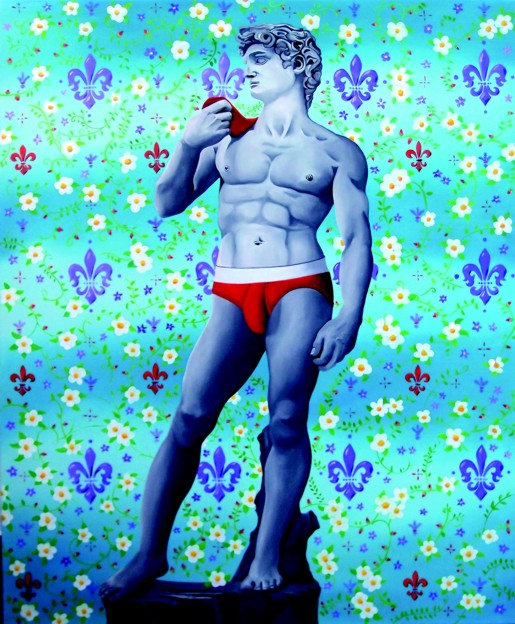 profonda e stratificata,
si nutre di un legame indissolubile anche con le tradizioni del
Rinascimento italiano, in particolare con l’eredità di Piero della
Francesca, maestro che ha segnato profondamente la sua terra e la sua
formazione artistica. Trevisan, con una consolidata carriera
espositiva internazionale che l’ha portato in gallerie di tutto il
mondo, dall’Europa agli Stati Uniti, dal’Asia al sud America, propone
oggi una mostra che è un vero e proprio manifesto del suo
"Rinascimento Surreale". profonda e stratificata,
si nutre di un legame indissolubile anche con le tradizioni del
Rinascimento italiano, in particolare con l’eredità di Piero della
Francesca, maestro che ha segnato profondamente la sua terra e la sua
formazione artistica. Trevisan, con una consolidata carriera
espositiva internazionale che l’ha portato in gallerie di tutto il
mondo, dall’Europa agli Stati Uniti, dal’Asia al sud America, propone
oggi una mostra che è un vero e proprio manifesto del suo
"Rinascimento Surreale".
I dipinti
esposti in questa rassegna non sono semplici evocazioni, ma piuttosto
profonde rielaborazioni della memoria e dell’immaginario giovanile
dell’artista. Il surrealismo di Trevisan non si manifesta in una
rottura violenta con la realtà, bensì in una sua meticolosa
ricostruzione onirica, dove elementi riconoscibili, oggetti e soggetti
quasi archetipici e architetture che richiamano anche l’armonia
rinascimentale, si fondono in scenari enigmatici e suggestivi. È un
surrealismo che affonda le radici nella tradizione figurativa, ma che
la trascende attraverso la giustapposizione inaspettata e l’uso
simbolico della luce e del colore,
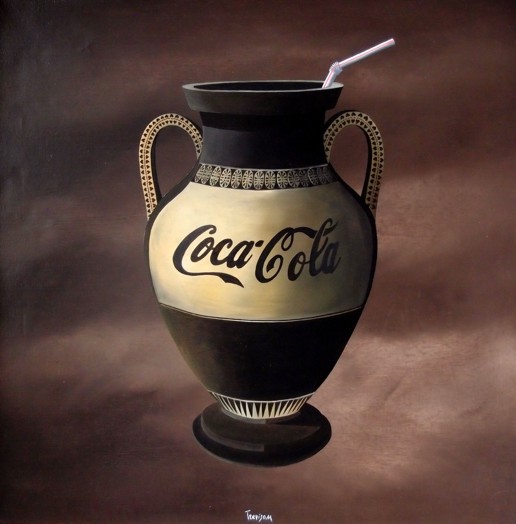 creando atmosfere sospese e
atemporali. creando atmosfere sospese e
atemporali.
La sua opera è
un dialogo costante tra il passato e il presente, tra il ricordo e
l’invenzione. Le tradizioni medievali e rinascimentali della sua
infanzia, permeate dall’influenza di Piero della Francesca, emergono
nei suoi dipinti non come citazioni ordinarie, ma come suggestioni
profonde che informano la sua sensibilità compositiva e la sua ricerca
della bellezza. La prospettiva geometrica e la luminosità cristallina,
tratti distintivi del Rinascimento, vengono reinterpretate da Trevisan
per costruire spazi che, pur apparendo familiari, si aprono a
dimensioni inattese, popolati da forme silenti che sembrano custodire
segreti antichi.
I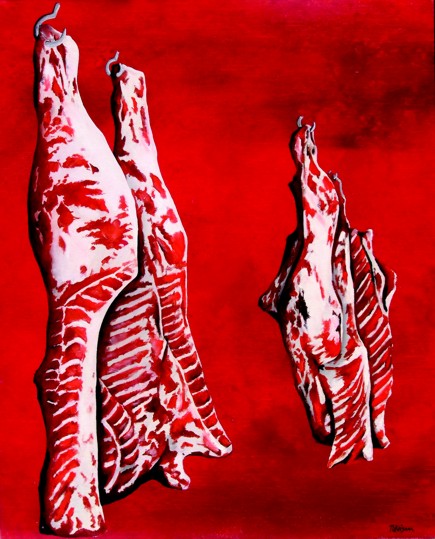 l "Rinascimento
Surreale" di Trevisan è dunque un’esperienza visiva e intellettuale
che invita lo spettatore a un viaggio introspettivo. È un’arte che non
si limita a rappresentare il visibile, ma che indaga le profondità
dell’inconscio, attingendo a un immaginario collettivo radicato nella
cultura italiana per dare forma a visioni universali. La sua pittura è
la testimonianza di come la memoria e la tradizione possano essere
fonti inesauribili per un’espressione artistica profondamente
originale. l "Rinascimento
Surreale" di Trevisan è dunque un’esperienza visiva e intellettuale
che invita lo spettatore a un viaggio introspettivo. È un’arte che non
si limita a rappresentare il visibile, ma che indaga le profondità
dell’inconscio, attingendo a un immaginario collettivo radicato nella
cultura italiana per dare forma a visioni universali. La sua pittura è
la testimonianza di come la memoria e la tradizione possano essere
fonti inesauribili per un’espressione artistica profondamente
originale.
Alcuni dipinti
in mostra sono intrisi di richiami alle tradizioni medievali e
rinascimentali che hanno plasmato la sua infanzia e la sua visione del
mondo. Queste memorie, filtrate attraverso il prisma del surrealismo,
si manifestano in accostamenti inattesi, figure enigmatiche e paesaggi
che pur riconoscibili sembrano sospesi in una dimensione atemporale. È
come se i personaggi e gli scenari di Piero della Francesca o di un
affresco medievale si fossero addormentati per risvegliarsi in un
sogno lucido, dove le logiche consuete sono sovvertite e le
associazioni mentali si liberano da ogni costrizione razionale.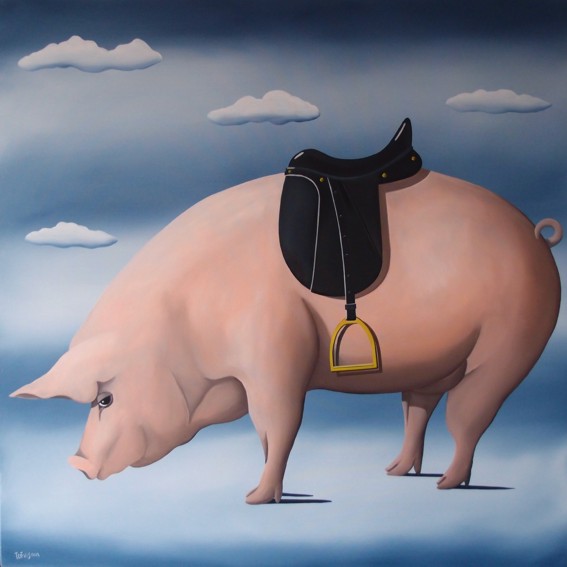
L’influenza di
Piero della Francesca è chiara non solo nella precisione quasi
matematica della sua prospettiva e nella purezza delle forme, ma anche
nella luce che pervade le sue opere. Una luce che non è semplicemente
illuminazione, ma che modella gli oggetti, li definisce e conferisce
loro una monumentalità silenziosa, anche quando si tratta di semplici
oggetti o animali. Questa luce contribuisce a conferire un senso di
sacralità laica alle sue visioni surrealiste, elevandole oltre il mero
fantastico per toccare corde universali.
Le tradizioni
rinascimentali, dunque, non sono per Trevisan un mero riferimento
stilistico, ma un fondamento concettuale. Egli sembra riprendere la
lezione degli antichi maestri, la loro capacità di sintesi tra
osservazione del reale e costruzione ideale, per applicarla a un
universo figurativo che trae ispirazione dal sogno, dal mito e dalla
memoria collettiva. Questo crea un dialogo affascinante tra la
solidità della rappresentazione e la fluidità del contenuto, tra il
visibile e l’invisibile.
Il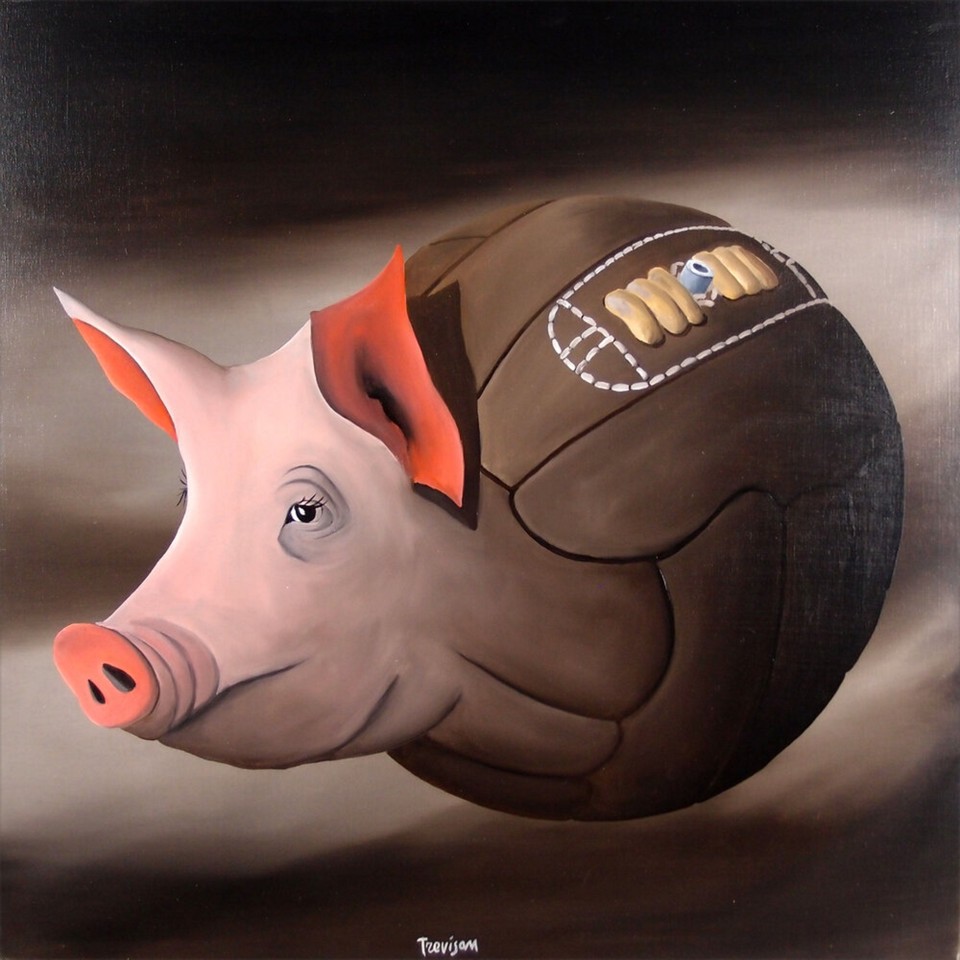 fatto che un
artista con tali radici esprima il suo surrealismo su scala globale
sottolinea l’universalità dei temi affrontati: l’identità, il tempo,
il rapporto tra uomo e natura, tra natura e animali, la ricerca di un
significato. Le sue opere, esposte in gallerie di tutto il mondo e
acquistate da collezionisti di ogni paese, superano le barriere
culturali proprio perché, pur essendo intrinsecamente "italiane" nella
loro raffinatezza e nel loro retaggio, parlano un linguaggio emotivo e
simbolico comprensibile ovunque. fatto che un
artista con tali radici esprima il suo surrealismo su scala globale
sottolinea l’universalità dei temi affrontati: l’identità, il tempo,
il rapporto tra uomo e natura, tra natura e animali, la ricerca di un
significato. Le sue opere, esposte in gallerie di tutto il mondo e
acquistate da collezionisti di ogni paese, superano le barriere
culturali proprio perché, pur essendo intrinsecamente "italiane" nella
loro raffinatezza e nel loro retaggio, parlano un linguaggio emotivo e
simbolico comprensibile ovunque.
Il surrealismo
di Trevisan non è una fuga caotica nell’irrazionale fine a sé stessa,
ma piuttosto una navigazione consapevole nelle acque dell’inconscio,
sempre guidata da una sottile disciplina formale e da un’evidente
armonia compositiva. Questo lo distingue da molte declinazioni del
movimento, spesso caratterizzate da rotture, dissonanze, negatività.
Nelle sue tele, elementi apparentemente slegati si connettono in
narrazioni visive che sfidano la logica quotidiana, ma che al contempo
evocano un senso di profonda, quasi archetipica, familiarità. Si
percepisce una volontà di esplorare i misteri dell’esistenza e della
psiche, senza mai abbandonare un’estetica che ricerca l’equilibrio e
la bellezza.
La peculiare
traiettoria di Trevisan, dagli studi di ingegneria all’arte in senso
assoluto, è emblematica della sua capacità di integrare mondi
apparentemente distanti. La precisione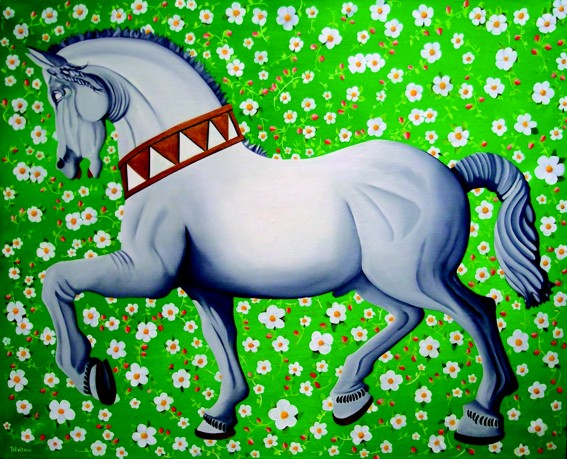 e il rigore appresi negli studi
tecnici si fondono con una sensibilità acuta per il non detto, per le
suggestioni e le visioni che affiorano dalle profondità
dell’inconscio. Questa fusione crea un’arte che non è solo bella da
vedere, ma che invita alla riflessione, al deciframento di simboli e
all’esplorazione dei recessi della mente. e il rigore appresi negli studi
tecnici si fondono con una sensibilità acuta per il non detto, per le
suggestioni e le visioni che affiorano dalle profondità
dell’inconscio. Questa fusione crea un’arte che non è solo bella da
vedere, ma che invita alla riflessione, al deciframento di simboli e
all’esplorazione dei recessi della mente.
In definitiva,
l’arte surrealistica di Trevisan è una testimonianza vibrante di come
la tradizione possa non solo convivere con l’innovazione, ma anche
fungere da humus fertile per nuove e inaspettate fioriture. Il suo
"Rinascimento Surreale" è un invito a guardare oltre il visibile, a
riconoscere la bellezza nel mistero e a celebrare la ricchezza di
un’immaginazione che attinge sia alle radici profonde della storia che
alle infinite possibilità del sogno.
Sansepolcro,
agosto 2025
information / informazioni
[email protected]
|